
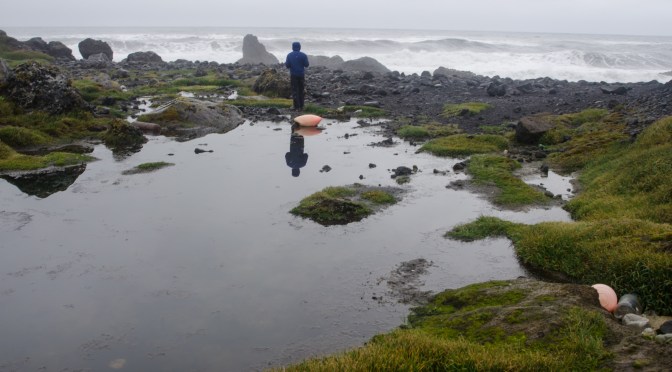
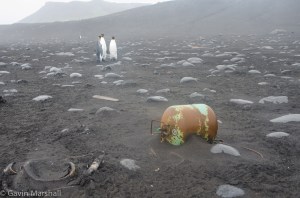
 I am 4,000km’s from the nearest populated land mass, below the Antarctic Convergence, and in an area where the ocean drift models suggest that marine debris will not reach. And yet I am observing more plastic bottles, timber, fishing net buoys and other containers than I would expect. And then there is the very valid question – what should I expect?
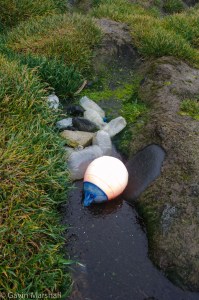
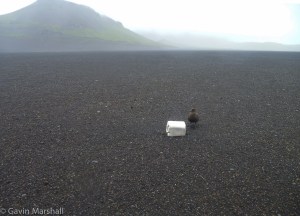
I am on Heard Island and there is clear evidence that marine debris is drifting onto the island. I walked south-west along the shoreline of South West Bay and observed all kinds of debris that has washed ashore. Along a 100m stretch of shoreline around Erratic Point I have counted –
- 55 600mm – 1.5l plastic drink bottles
- 7 cleaning product plastic bottles
- 1 very large plastic float (1m circumference approx.)
- 1 large marine float with antenna
- 2 polystyrene floats
- 1 gas cylinder
- And an almost endless amount of machined timber that has been weathered by the sea.
Before I left for Heard Island I made contact with the Tangaroa Blue foundation, an Australian-wide not for profit dedicated to the removal and prevention of marine debris. We incorporated the collection of marine debris information into our permit application to the Australian Antarctic Division and the activity was formally included as one of the field team activities.
 I did not expect this “simple data collection activity” to have the emotional impact on me that it had. I was stunned by the first glimpses of the cliff lines of Laurens Peninsula as we first approached Heard Island. Day after day I had new experiences as we moved to different locations on the island.
But the most vivid picture I now have in my mind is of all the plastic drink bottles floating in the water at Erratic Point. At the time, as Fred and I wandered around the small gully at Erratic Point and counted the debris items I felt sick. It reminded me of a rubbish dump.
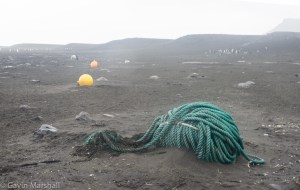 It’s feels hard to explain, having returned Sydney, but I now “get” the Tangaroa Blue message. Heard Island has given me a unique view on the significance of this sentence from the Tangoroa Blue web site “if all we do is clean-up, that is all we will ever do“.
How do we clean up Heard Island – and should we need to, there’s no need for the debris to be there in the first place!
I hope the image of rubbish on the island fades and is replaced by another, maybe the Leopard Seal resting on the beach – I much prefer that one.


 By the time I arrived the two air beam tents had been erected and were already the subject of much discussion. They needed cleaning that was very obvious but how and by whom? Thankfully the decision was made to engage a commercial cleaning company. Looking back if we had tried to complete the full pressure wash and interior wipe down they completed for us we would never have achieved our planned departure day and time. As it was out team cleaned every metre of Velcro on the tents to make sure that there was no soil, or worse still seeds attached there.
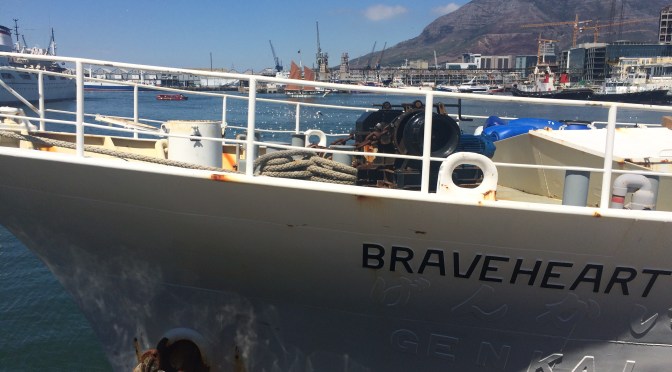
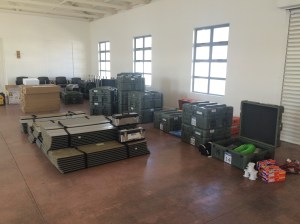 onto the floor a warehouse floor at Victoria wharf. All of the cases were opened, contents checked and then ordered on the floor in the reverse order required on Heard Island. Everything is to be reverse loaded to the BraveHeart today.
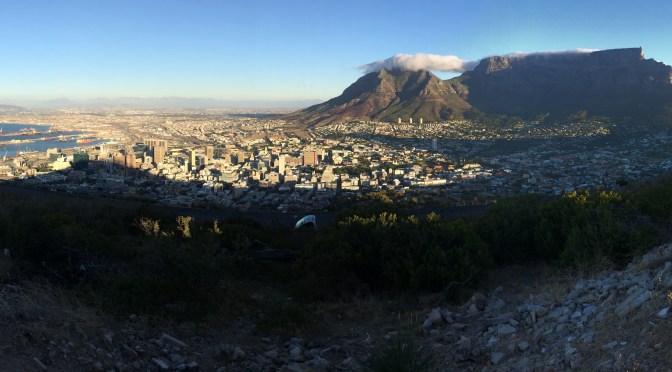
 And this has been going on to with the backdrop of the Cape Towns public Port area. If you live in NZ , think Viaduct area Auckland, if you are in Australia, think Pyrmont Sydney. My first day in the city was on the day of the Argus bike race, the biggest organised bike race in the world. There are so many people in the area.
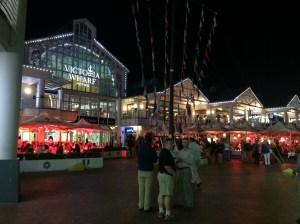 So today it’s final preparation, all equipment loads to the Braveheart, we get final details of the immigration requirements that we need to complete tomorrow and then one last walk around the port area that we have come to call “home” for the past 5 days.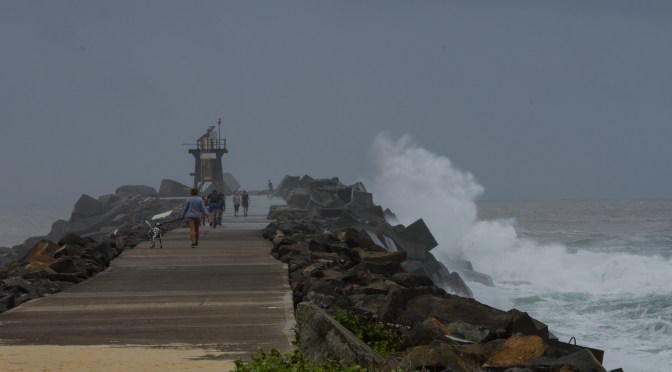




 trackmyadventures